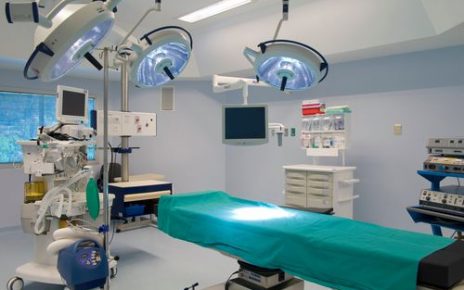
Let’s be honest—when you think of an operating room, you picture sterility, precision, life-saving technology. You probably don’t picture waste. And yet, the OR is one of the most resource-intensive areas in any hospital. It’s a paradox, really. A place dedicated to healing that inadvertently contributes to environmental harm, which in turn impacts public health.
That’s the deal. The good news? A powerful shift is happening. Surgeons, nurses, and hospital administrators are reimagining the OR, not just as a clinical space, but as a hub for environmental sustainability. It’s about smart stewardship without compromising an ounce of patient safety. Let’s dive in.
The Staggering Footprint of the Modern OR
First, some context. Why is the operating room such a big deal for sustainability efforts? Well, the numbers are pretty eye-opening. The OR can generate up to 30% of a hospital’s total waste. And a lot of that isn’t your typical trash.
Think about a single routine procedure. It’s wrapped in layers of single-use plastic. Instruments are sterilized and re-sterilized using massive amounts of energy and water. Anesthetic gases—some of them potent greenhouse gases—vent directly into the atmosphere. It’s a system built on disposability and absolute caution, which, you know, made sense for decades. But the scale has become unsustainable.
Where the Impact Happens: Waste Streams and Energy Sinks
Breaking it down, the environmental impact of OR practices falls into a few key areas:
- Regulated Medical Waste (RMW): This is the red bag stuff. Infectious waste that requires high-energy, high-emission incineration. The problem? Studies show a huge portion of what gets tossed in the red bag—sometimes over 50%—isn’t actually infectious. It’s just regular trash, or even recyclables, thrown in the “safest” bin out of habit.
- Single-Use Devices (SUDs): The convenience is undeniable. But the environmental cost of manufacturing, packaging, shipping, and disposing of items used for mere minutes is staggering. We’re talking about complex tools made of mixed materials that are nearly impossible to recycle.
- Anesthetic Gases: Here’s a hidden culprit. Desflurane, for instance, has a global warming potential over 2,500 times greater than carbon dioxide. Letting these gases scavenge into the air is like leaving your car running in the parking lot…for every surgery.
- Energy and Water: ORs need massive HVAC systems for laminar airflow. Sterilization processes are water and heat-intensive. Lights and equipment run 24/7. The energy consumption per square foot is enormous.
Practical Pathways to a Greener Operating Room
Okay, so the challenge is clear. But what does sustainable operating room management actually look like on the ground? It’s a mosaic of strategies—some high-tech, some just plain common sense.
1. Rethinking Waste: Segregation is Everything
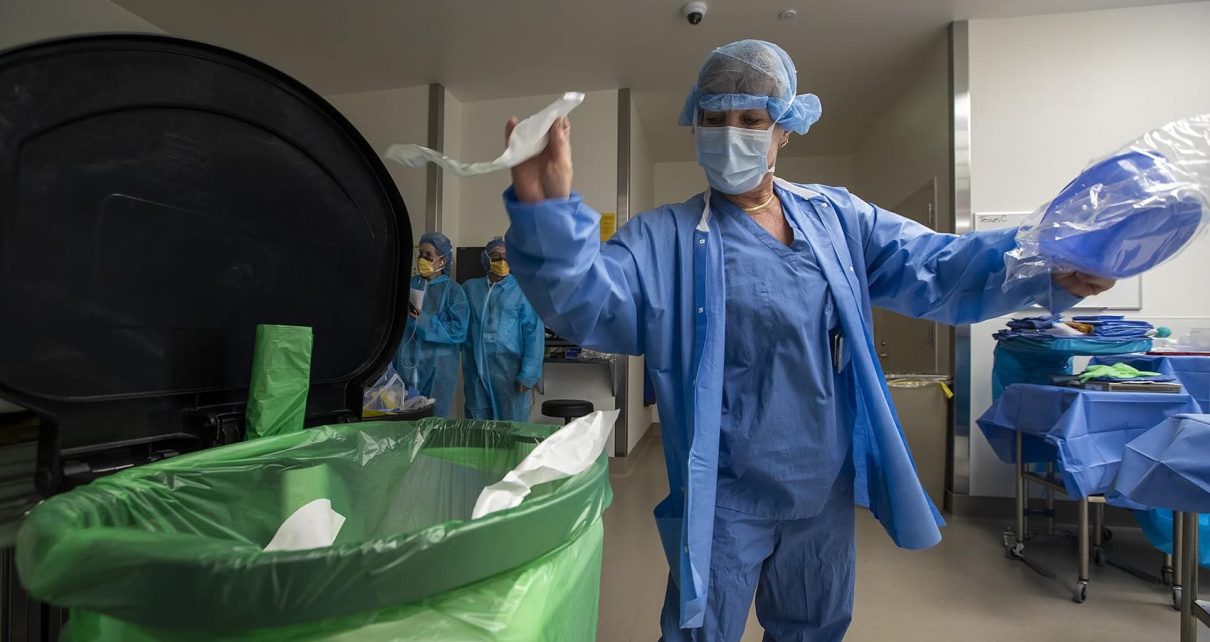
The lowest-hanging fruit. Improving waste segregation at the point of use can dramatically cut RMW volumes and costs. Clear, color-coded bins right in the OR, coupled with consistent staff education, make a world of difference. It’s about moving from autopilot to mindfulness.
And then there’s reprocessing. Certain single-use devices, believe it or not, can be safely cleaned, sterilized, and tested by FDA-regulated third-party companies. They come back good as new, at a fraction of the environmental and financial cost. It’s a classic example of a circular economy model sneaking into healthcare.
2. Smarter Procurement and “Green Scrubbing”
Sustainability starts before a product even enters the door. It’s called value analysis. Forming green teams to evaluate purchases not just on price, but on environmental attributes: Can it be reprocessed? Is it made of recycled content? Is the packaging minimal or recyclable?
Switching to reusable textiles—gowns, drapes, hats—is another massive win. Sure, there’s laundry. But the life-cycle analysis is compelling: reusables often save water, energy, and waste compared to the endless churn of disposable versions.
3. Anesthesia Gas Stewardship
This is a specialist’s game, but a crucial one. Simply choosing a different agent—like sevoflurane or total intravenous anesthesia (TIVA)—can slash the carbon footprint of anesthesia by 90% or more. It’s a direct, impactful decision a clinician can make for each patient.
And then there’s capture technology. Imagine capturing exhaled anesthetic gases in a canister, like an anesthetic carbon filter. The tech exists. It’s evolving. It could be a game-changer.
Overcoming the Barriers: It’s More Than Just Will
Change is hard. In the OR, where protocols are sacred, it’s even harder. Common hurdles? The “we’ve always done it this way” mindset. Fear of contamination (the number one concern, always). Upfront costs for reusable items. And honestly, the sheer, overwhelming pace of a surgical day—who has time to think about which bin?
That’s why success hinges on a team-based, no-blame approach. It’s about embedding sustainability into the existing culture of safety, not layering on more guilt or work. Celebrate the wins, even the small ones. Track the data—waste volume, cost savings, carbon equivalents—and share it back. Show the team that their effort matters.
The Future is Green and Lean
So, where is this all heading? The trajectory is clear. We’re moving toward ORs designed with sustainability baked into the blueprint. Smarter energy systems. Closed-loop fluid management. Widespread adoption of low-carbon anesthesia. Maybe even biodegradable or compostable sterile packaging down the line.
The beautiful part? So many of these green operating room initiatives aren’t just good for the planet. They’re good for the bottom line. Less waste means lower disposal fees. Reusables save money over time. Efficient energy use cuts utility bills. It’s the rare win-win-win: for the patient, the hospital, and the community.
In the end, it comes down to a simple, profound idea: First, do no harm. That principle has always guided clinical care. Now, it’s expanding its reach. It’s asking us to ensure that the very act of healing in the operating room doesn’t inadvertently harm the world outside its doors. That’s not just a new practice. It’s a deeper, more complete ethic of care.