You know that feeling of being utterly drained, even after a full night’s sleep? For millions dealing with chronic fatigue, it’s not just a bad day—it’s a constant, heavy reality. And while the causes are complex, a growing body of science is pointing a steady finger at a surprising culprit: the tiny power plants inside your cells, your mitochondria.
Think of them less as a simple battery and more as a city’s entire energy grid. When that grid is humming, you feel vibrant. But when it’s under strain, flickering, or inefficient? Well, that’s when the blackouts—the crushing fatigue—begin. Let’s dive into why these cellular engines are so central to the puzzle of exhaustion and, more importantly, how nurturing them can light the path to recovery.
Mitochondria 101: Your Body’s Energy Currency Mint
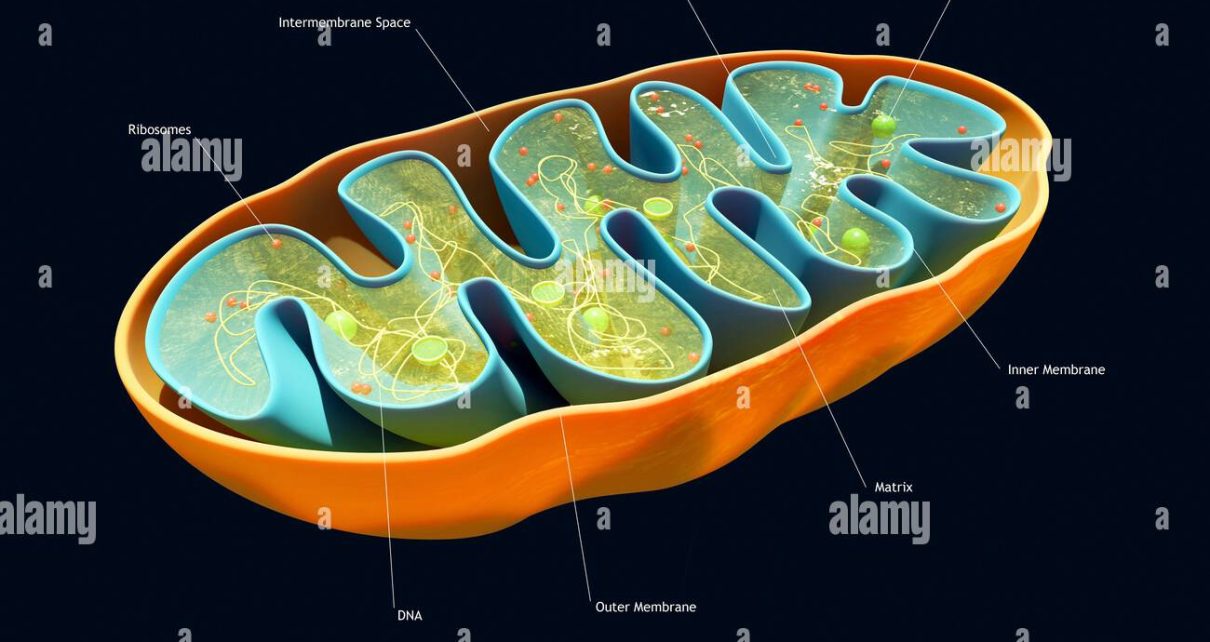
First, a quick primer. Mitochondria are organelles found in nearly every cell. Their main job is to take the food we eat and the oxygen we breathe and convert it into adenosine triphosphate, or ATP. ATP is the pure, spendable energy currency that powers everything from a heartbeat to a thought.
Here’s the deal: the number and health of your mitochondria aren’t fixed. They’re dynamic. They can multiply (a process called biogenesis) when energy demands are high, and they can also become damaged, sluggish, or inefficient. When they falter, ATP production drops. And your body, quite literally, goes into an energy deficit. You feel it as profound tiredness, brain fog, and that heavy-limbed sensation that makes even simple tasks feel monumental.
The Fatigue Connection: When the Power Plants Fail
So how does mitochondrial dysfunction directly link to chronic fatigue syndromes? It’s rarely one single failure. It’s more like a cascade of issues.
1. The ATP Shortage
Simply put, low output. Damaged mitochondria produce less ATP. If your cells are running on, say, 40% less currency, every physiological process has to slow down. Your muscles fatigue faster. Your brain struggles to focus. It’s a systemic energy crisis.
2. Increased Oxidative Stress
This is a big one. Mitochondria are a major source of reactive oxygen species (ROS), which are normal byproducts of energy production. In a healthy system, antioxidants mop these up. But in dysfunctional mitochondria, ROS production can skyrocket, creating oxidative stress. This damages the mitochondria further—and the cell around it. It’s a vicious cycle: bad mitochondria create more ROS, which creates more bad mitochondria. You’re left with inflammation and cellular damage that amplifies fatigue.
3. The Inflammation Loop
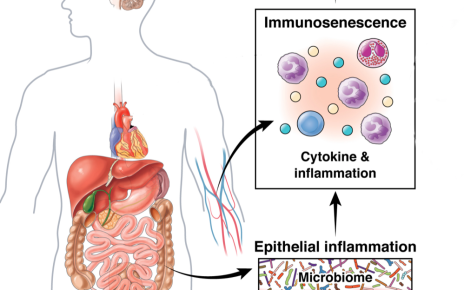
That oxidative stress and cellular debris act as alarm bells for your immune system. Chronic, low-grade inflammation is a common feature in chronic fatigue. This inflammation, honestly, can further suppress mitochondrial function. It’s another exhausting feedback loop your body gets trapped in.
| Mitochondrial Issue | Direct Consequence | How It Feels |
| Reduced ATP Production | Global energy deficit | Physical & mental exhaustion, poor endurance |
| High Oxidative Stress | Cellular damage, inflammation | Post-exertional malaise, body aches, “flu-like” feeling |
| Poor Biogenesis | Fewer power plants overall | Slow recovery, persistent low energy baseline |
Recovery Pathways: Supporting Your Cellular Power Grid
The good news? Mitochondria are remarkably adaptable. They respond to lifestyle inputs. You can’t “cure” complex chronic fatigue with a single supplement, sure, but building a protocol that supports mitochondrial health is a foundational strategy. Here are the core pillars.
Nutrition: Fuel for the Furnace
What you eat provides the raw materials. Key players include:
- B Vitamins (especially B1, B2, B3, B5): These are essential co-factors in the ATP production chain. Think of them as the specialized workers on the assembly line.
- Antioxidants (CoQ10, Alpha-Lipoic Acid, Glutathione): They combat that damaging oxidative stress, protecting mitochondrial membranes. CoQ10 is especially crucial—it’s a direct part of the energy production machinery.
- Magnesium: Required for every single step of ATP creation. A deficiency here is like trying to run a factory without electricity.
- Omega-3 Fatty Acids: They help build flexible, healthy membranes for mitochondria (and all cells), improving their function and signaling.
Movement: The Gentle Signal to Grow
This is tricky with fatigue, but critical. Extreme exercise can worsen oxidative stress. However, gentle, graded movement is a potent signal for mitochondrial biogenesis. It tells your body, “We need more energy capacity.”
Short walks, light stretching, or even restorative yoga can stimulate this process without causing a crash. The key is consistency and staying well below your energy envelope. Listen to your body—really listen.
Sleep and Circadian Rhythm: The Maintenance Shift
Mitochondria have their own daily cleanup and repair cycles, heavily influenced by your sleep-wake rhythm. Poor or insufficient sleep disrupts this. Prioritizing sleep hygiene isn’t just about rest; it’s about scheduling essential maintenance for your cellular power plants. It’s when the repair crews come in.
Stress Management: Quieting the Noise
Chronic stress—physical or emotional—floods your system with cortisol and other hormones that can impair mitochondrial function. Practices like meditation, breathwork, or even nature exposure help shift the nervous system into “rest and digest” mode. This state is far more conducive to energy production and repair. It lowers the inflammatory noise.
A Realistic View on Healing
It’s important to say this: boosting mitochondrial health is not a magic bullet for every case of chronic fatigue. Conditions like ME/CFS have multifactorial roots. But given the mitochondria’s central role in energy, it’s almost always a relevant piece of the puzzle—a foundational layer that supports other treatments.
Recovery is slow. It’s not linear. Some days the progress feels invisible. You might focus on nutrition for months before gently introducing movement. That’s okay. The goal is to create a cellular environment where these tiny engines can heal, multiply, and thrive again.
In the end, it’s about respecting the profound depth of your body’s fatigue. It’s not laziness. It’s often a cellular plea for better resources, less strain, and the right tools to rebuild. By tending to your mitochondria, you’re not just chasing a quick energy fix. You’re investing in the very infrastructure of your vitality, one tiny, powerful cell at a time.