Let’s be honest. When you’re dealing with the constant, low-grade fire of chronic inflammation—aches, brain fog, skin flare-ups, fatigue that just won’t quit—you’ll try almost anything for relief. And lately, you’ve probably seen whispers and shouts about the low-histamine diet. Is it just another fleeting trend? Or could it be a missing piece for some people? Well, let’s dive in and untangle the connection between histamine, your plate, and that stubborn inflammation.
Histamine and Inflammation: The Unseen Link
First, a quick reframe. Histamine isn’t the villain here. In fact, it’s a crucial chemical messenger your body produces. It wakes up your immune system, tells your stomach to digest food, and acts as a neurotransmitter. The problem isn’t histamine itself—it’s the load and the bucket.
Think of it like this: your body has a bucket for histamine. You add to it from foods (aged cheeses, fermented goodies, leftovers). Your body also makes its own, especially when you’re stressed or dealing with an allergen. Normally, an enzyme called DAO (diamine oxidase) acts like a spigot at the bottom, draining the bucket efficiently. But if your bucket is genetically shallow, your spigot is leaky, or you’re pouring in too much… it overflows. That overflow? It can trigger inflammatory responses—flushing, swelling, pain, and a general feeling of being under siege. For some, this isn’t an occasional allergy; it’s a daily reality that fuels chronic inflammation.
Core Principles of a Low-Histamine Approach
This isn’t a one-size-fits-all calorie-counting diet. It’s a strategic elimination framework. The goal is to reduce the histamine load to stop the bucket from overflowing, giving your system a chance to calm down. Here’s the deal:
- Fresh is Best: Histamine levels in food increase with time, especially with aging, fermenting, and processing. That beautiful, dry-aged steak or that handy leftover salmon from two days ago? High histamine. You want to shop for and eat foods as fresh as possible.
- The “Leftover Rule”: Cook, cool quickly, and freeze if you aren’t eating it within a few hours. Reheating can further increase histamine.
- DAO Enzyme Support: Some approaches focus on supporting your body’s natural drainage system—that DAO enzyme. This might mean avoiding DAO-blocking foods (like alcohol, especially red wine and beer) or, under a doctor’s guidance, exploring DAO supplements.
What’s On the Plate? Foods to Embrace and Avoid
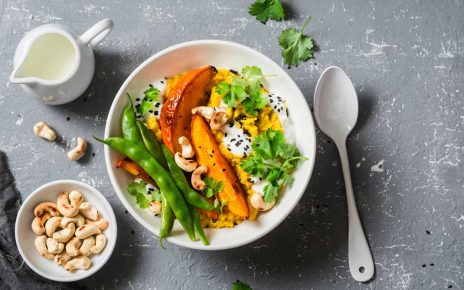
Lists can be overwhelming, sure. But having a clear visual helps. Think of building your meals from a foundation of fresh, whole foods.
| Generally Lower-Histamine (Focus Here) | Higher-Histamine (Limit or Avoid) |
| Freshly cooked meat & poultry | Aged/cured meats (salami, bacon) |
| Freshly caught fish (cook same day) | Smoked, canned, or aged fish (tuna, sardines) |
| Eggs (fresh) | Processed egg products |
| Most fresh fruits (mango, pear, watermelon) | Citrus, strawberries, bananas, dried fruits |
| Most fresh vegetables (except those listed) | Spinach, tomatoes, eggplant, avocado |
| Gluten-free grains (rice, quinoa, oats) | Processed wheat products |
| Dairy substitutes (coconut milk, oat milk) | Aged cheeses, yogurt, kefir, buttermilk |
A tricky thing? Some foods are “histamine liberators”—they don’t contain much but can trigger your own cells to release histamine. Tomatoes and citrus are classic examples. This is why personalization is non-negotiable.
Putting It Into Practice: A Realistic, Phased Plan
Jumping in headfirst is a recipe for frustration. A phased approach works much better.
- The Elimination Phase (4-6 weeks): This is your reset. You strictly avoid high-histamine foods and histamine liberators. The goal is to see if symptoms—migraines, joint pain, digestive upset, skin issues—diminish. Keep a simple symptom journal. It’s tedious, but it gives you data, not just guesses.
- The Reintroduction Phase (Slow and Steady): Once you feel a baseline shift, you test. Introduce one high-histamine food at a time, in a small amount. Wait 2-3 days and note any reaction. This isn’t about deprivation forever; it’s about mapping your unique tolerance.
- The Personalization Phase (The Long Game): You build your long-term diet around your “safe” foods and known triggers. Maybe you can handle a little Parmesan but sauerkraut knocks you out. Maybe leftovers are fine if they’re frozen immediately. You become the expert on your own bucket.
The Big Caveats and Considerations
Look, this diet is restrictive. And honestly, it’s not meant for everyone. It’s most often explored by people with conditions like Mast Cell Activation Syndrome (MCAS), certain types of histamine intolerance, or stubborn inflammatory issues that haven’t responded to other approaches.
Nutritional deficiencies are a real risk—especially with vitamin C, B6, and copper, which are needed for making that DAO enzyme. Cutting out fermented foods can impact gut microbiome diversity, too. That’s why working with a knowledgeable dietitian or doctor is crucial. They can help you navigate safely and ensure you’re not trading one problem for another.
Beyond the Plate: A Holistic View
Focusing only on food is like mopping the floor while the sink overflows. You have to address other factors that fill your histamine bucket. Stress is a massive one—cortisol can directly trigger mast cells to release histamine. Poor sleep does the same. And then there’s the gut connection: if you have underlying issues like SIBO (small intestinal bacterial overgrowth) or leaky gut, it can both impair DAO production and increase histamine absorption.
So a truly effective approach pairs dietary shifts with stress management (whatever that looks like for you), prioritizing sleep hygiene, and investigating gut health. It’s a mosaic, not a single tile.
Final Thoughts: Is This Your Path?
The low-histamine diet for chronic inflammation isn’t a magic bullet. It’s a meticulous, investigative tool. For some, it will be life-changing, finally quieting symptoms that have echoed for years. For others, the benefits might not outweigh the complexity.
But if your inflammation feels like a mystery, and other avenues haven’t brought peace, it might be a path worth exploring—with guidance, with patience, and with the understanding that you’re not just managing a diet, you’re learning a new language of your own body’s signals. And sometimes, that knowledge is the most powerful anti-inflammatory of all.