Let’s be honest. The world of biohacking can look… expensive. Cryo-chambers, red light panels, fancy wearables that track your every heartbeat. It’s easy to feel like optimizing your body is a luxury reserved for Silicon Valley elites.
But here’s the deal: the core of biohacking isn’t about the gadgets. It’s about using data and deliberate practices to nudge your biology toward better performance and recovery. And guess what? Some of the most powerful “tech” for that is absolutely free. You just have to know how to use it.
This is about hacking your system with what you already have. Let’s dive into the ultimate no-cost wellness tech alternatives.
Your Built-in Biometric Sensors: Tuning Into Your Body’s Data
Before there was a WHOOP strap, there was you. Your body is constantly broadcasting signals—honestly, it’s a streaming service of biofeedback. The trick is learning to become the receiver.
Heart Rate Variability (HRV) – Without a Monitor
HRV is a gold-standard metric for recovery and stress. High-tech? Sure. But you can get a surprisingly good read manually. First thing in the morning, while still in bed:
- Find your pulse on your wrist or neck.
- Take a slow, deep breath in for a count of 4.
- Exhale slowly for a count of 6.
- Notice: Does your heart beat at a steady, metronome-like pace? Or does the rhythm between beats feel uneven, adaptable?
That unevenness—that’s good. It means your nervous system is resilient, ready to adapt. A rigid, too-perfect rhythm can signal stress. It’s not a number, but it’s a profound qualitative check-in. Think of it as your body’s morning “status report.”
The Breath Rate Dashboard
Breathing is your autonomic nervous system’s remote control. And you can hack it, anytime. For a quick recovery reset, try this tech-free method:
- Coherent Breathing: Inhale for 5 seconds, exhale for 5 seconds. Do this for just 3-5 minutes. It’s like hitting a “calm” button for your brain, shifting you from fight-or-flight into rest-and-digest. No app required.
Environmental Hacks: Turning Your World into a Recovery Pod
You don’t need a $5000 infrared sauna blanket. Well, you might want one, but you can simulate the core benefits.
Heat & Cold Exposure – The Free Way
Heat: A long, hot shower or bath can mimic some circulatory and relaxation benefits of a sauna. The key is duration. Aim for 15-20 minutes of heat, followed by a cool rinse. It’s a vasodilation workout for your blood vessels.
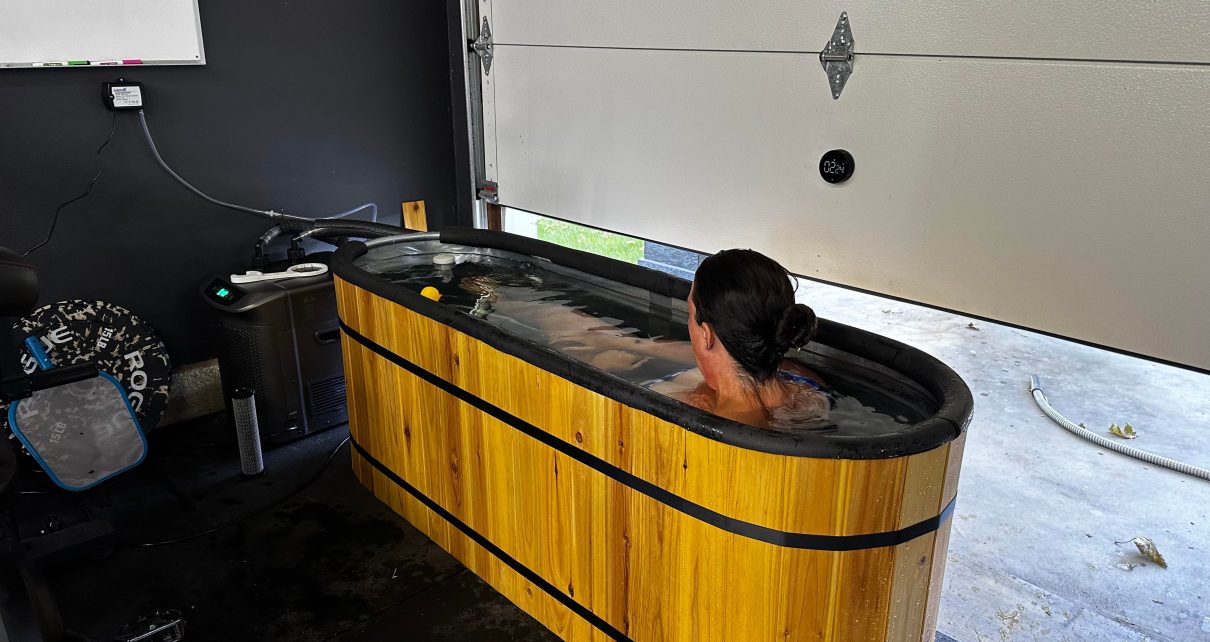
Cold: You know this one. The dreaded, glorious cold shower. Even 30-90 seconds at the end of your shower can trigger a flood of norepinephrine, reduce inflammation, and boost mood. It’s the most affordable cryotherapy on earth. Start slow—feet, then limbs, then core. Your breath is the interface; control it, and you control the experience.
Grounding (Earthing) – Literally Just Go Outside
This one sounds almost too simple. But direct skin contact with the earth—walking barefoot on grass, sand, or soil—may help reduce inflammation and improve sleep by absorbing the earth’s natural electrons. Think of it as discharging the static electricity of modern life. Your bare feet are the USB cable, and the planet is the charging port. 20 minutes a day can be a game-changer.
Sleep: The Ultimate (Free) Performance Enhancer
Optimizing sleep is the most potent biohack, period. And you can engineer a better night without a single gadget.
- Sunlight as Your Alarm Clock: Get morning sunlight in your eyes within 30-60 minutes of waking. No sunglasses. This sets your circadian rhythm more effectively than any smart light, telling your brain the day has started and priming melatonin release for tonight.
- Digital Sunset: 90 minutes before bed, dim overhead lights and avoid screens. If you must use a device, enable night mode and reduce brightness to the absolute minimum. You’re telling your pineal gland that night is coming.
- The Temperature Drop: Sleep in a cool room, around 65-68°F (18-20°C). A drop in core temperature is a core sleep signal. A cool bedroom is like a sleep switch.
Manual Recovery “Tech”: Your Own Two Hands
Foam rollers and massage guns are great. But they’re just tools applying pressure—something you can do yourself.
- Self-Myofascial Release with a Ball: Use a tennis ball, lacrosse ball, or even a rolled-up sock. For tight glutes, plantar fascia, or upper back, apply pressure to tender spots and breathe through it for 30-60 seconds. It’s pinpoint, on-demand massage.
- Contrast Showers for Circulation: We mentioned this, but it’s worth its own spot. 2 minutes hot, 30 seconds cold. Repeat 3-4 times. It’s a vascular pump that flushes metabolites and reduces soreness, rivaling any fancy compression boot system.
The No-Cost Biohacking Protocol: A Sample Day
| Time | Practice | The “Tech” It Replaces |
| Morning | 5 mins of morning sunlight; manual HRV check via breath | Dawn simulator, HRV wearable |
| Afternoon | 5-min coherent breathing break; barefoot walk outside | Stress tracker, grounding mat |
| Evening | Digital sunset; cool bedroom prep; 2-min self-massage with a ball | Blue-light glasses, smart thermostat, massage gun |
| As Needed | Contrast shower post-workout; long hot bath for relaxation | Cryo/sauna membership, infrared device |
The point isn’t that advanced tech is bad. It’s that you can start here, now, with zero investment. These practices build something crucial: body awareness. You become less reliant on external data and more attuned to the internal kind—the gut feeling, the sense of energy, the quality of your sleep.
In the end, the most sophisticated piece of wellness technology you’ll ever own is, and always will be, your own body. Learning to listen to it, to work with its rhythms, and to use your environment smartly… that’s not just budget-friendly biohacking. That’s the foundation of it all.