Let’s be honest. When you’re dealing with Mast Cell Activation Syndrome (MCAS), food can feel like a minefield. One day a food is fine, the next it sends your system into a tailspin of flushing, itching, brain fog, or worse. It’s exhausting.
Here’s the deal: a structured low-histamine meal plan isn’t about deprivation. Think of it more like being a detective for your own body—identifying the triggers, finding the safe harbors, and slowly building a menu that nourishes without the backlash. It’s about creating a sense of calm, starting with what’s on your fork.
What Makes a Meal “Low-Histamine”? The Core Principles
First off, it’s not just about the histamine in the food. It’s also about foods that either trigger your mast cells to release histamine (these are called histamine liberators) or that block the enzyme (DAO) that’s supposed to break histamine down in your gut. A solid low-histamine diet for MCAS tackles all three angles.
So, what are the golden rules?
- Fresh is best. Histamine levels in food increase with time, especially with protein. So, that leftover chicken from three days ago? Probably not your friend. Buying fresh meat and freezing it immediately, or cooking and eating it the same day, is a game-changer.
- Ditch the aged and fermented. This is a big one. Say goodbye to aged cheeses, salami, sauerkraut, soy sauce, vinegar, and alcohol. Fermentation is basically a histamine-production party.
- Beware the “leftover” trap. Meal prep needs a twist. Instead of cooking a huge batch on Sunday, consider prepping ingredients and assembling meals fresh, or freezing portions right after cooking.
- Know your high-risk veggies (and fruits). Spinach, tomatoes, eggplant, and avocados are common culprits. With fruits, it’s often citrus, bananas, strawberries, and papaya. Annoying, I know.
Building Your Low-Histamine Meal Plan: A Sample Framework
Okay, let’s get practical. What can you actually eat? This isn’t a one-size-fits-all list—MCAS is notoriously individual—but it’s a fantastic, safe starting point. Always, and I mean always, work with your healthcare provider to tailor this.
Your Low-Histamine Pantry Staples
| Proteins | Fresh or freshly frozen chicken, turkey, lamb, fresh wild-caught fish (cooked immediately), eggs (if tolerated). |
| Vegetables | Most leafy greens (except spinach), broccoli, cauliflower, Brussels sprouts, carrots, sweet potatoes, zucchini, squash. |
| Grains | Quinoa, rice (brown or white), oats, gluten-free pasta (if sensitive), millet. |
| Fats | Olive oil, coconut oil, ghee (if dairy-tolerant). |
| Herbs | Fresh basil, oregano, thyme, cilantro (avoid dried spices in jars, which can be higher in histamine). |
See? You’ve got a foundation. Now, let’s sketch out what a single day on a low-histamine eating plan might look like. This is just a template—a source of inspiration, not a rigid prescription.
A Glimpse at a Single Day
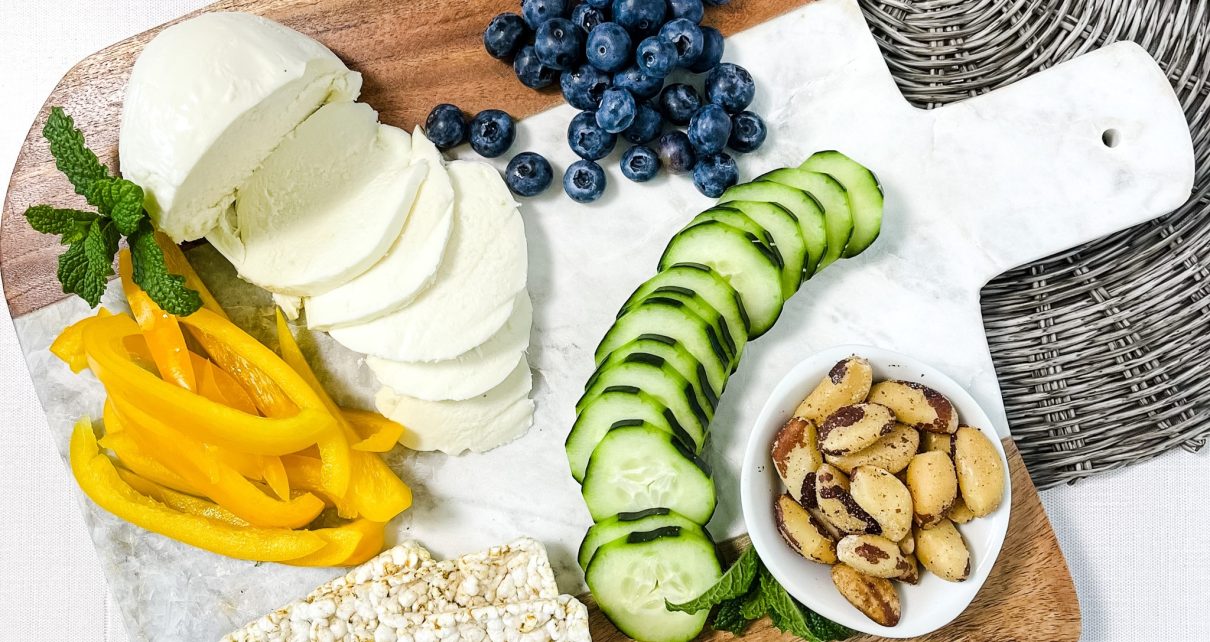
Breakfast: A bowl of “overnight” oats made with coconut milk (soaked in the fridge for just that night, not days), topped with a handful of fresh blueberries and a sprinkle of pumpkin seeds. Or, scrambled eggs with a side of sautéed zucchini.
Lunch: A big salad with fresh romaine, shredded chicken (cooked yesterday, max), diced cucumber, and shredded carrots. Dress simply with olive oil, a squeeze of fresh lemon (if tolerated), and sea salt.
Dinner: A piece of fresh cod pan-seared in ghee with a side of steamed broccoli and a generous portion of jasmine rice. Simple, clean, and satisfying.
Snacks (if needed): Rice cakes with a dab of almond butter (check for no additives), fresh pear slices, or a small handful of macadamia nuts.
The Real-World Challenges & How to Navigate Them
Sure, the plan looks good on paper. But living it? That’s where the rubber meets the road. Let’s talk about the tricky bits.
Eating out? Honestly, it’s tough. Your best bets are simple grilled proteins and plain steamed vegetables. Don’t be shy about asking questions—was this marinated? Is the chicken fresh or frozen? It feels awkward, but your health is worth it.
Social pressure is another beast. “Just one bite!” they say. Having a simple, rehearsed phrase helps. Something like, “I have some serious food sensitivities I’m working through, but I’d love to enjoy the company!” usually does the trick.
And then there’s flavor fatigue. When you cut out tomatoes, vinegar, and most sauces, everything can start to taste…beige. This is where fresh herbs are your secret weapon. A pesto made from fresh basil, olive oil, and pine nuts (if tolerated) can feel like a revelation.
Beyond the Plate: The Holistic View
Your low-histamine meal plan for mast cell activation is a cornerstone, but it’s not the whole house. Mast cells are sensitive little things. They react to more than just food.
Stress is a massive trigger. So is poor sleep. Even strong scents or sudden temperature changes can set them off. Pairing your dietary changes with stress-management techniques—like gentle yoga, meditation, or even just slow, deep breathing—can amplify your results dramatically. You’re creating a low-stress, low-inflammatory environment inside and out.
It’s also worth considering a low-histamine diet elimination phase. This is where you strip things back to a very basic set of safe foods for 2-4 weeks, then methodically reintroduce one food at a time every 3-4 days. It’s tedious, but it’s the most effective way to build your personal, truly safe food list.
Final Thoughts: Patience and Your Personal Path
Navigating MCAS with diet is a journey, not a sprint. There will be good days and frustrating setbacks. The goal isn’t perfection—it’s progress. It’s about gathering data from your body, meal by meal, and slowly expanding your world of safe foods.
You might find that after a period of stability, you can tolerate small amounts of something that once was off-limits. Or you might discover a new “safe” vegetable that becomes a weekly staple. The power comes from moving from a place of fear and reaction to one of knowledge and gentle control.
Start simple. Be kind to yourself. And remember, every peaceful meal is a quiet victory for your entire system.