Think about the last time you felt butterflies in your stomach before a big presentation. Or how a stressful day can literally tie your gut in knots. That’s not just poetic language—it’s a live demonstration of the gut-brain axis in action. This is a two-way superhighway of communication between your digestive system and your brain, and honestly, it’s one of the most exciting frontiers in wellness today.
Optimizing this connection isn’t about a single miracle pill. It’s about strategic, targeted dietary interventions. The food you choose becomes the raw material for this conversation. Let’s dive into how you can eat to support this vital link.
The Conversation in Your Core: Understanding the Gut-Brain Dialogue
Your gut and brain are in constant chatter. They communicate via the vagus nerve (a major biological telephone line), through immune system signals, and—most crucially for our topic—via the metabolites produced by your gut microbiome. That’s the trillions of bacteria, fungi, and other microbes living in your intestines.
Here’s the deal: these microbes feast on what you feed them. Their waste products, like short-chain fatty acids and neurotransmitters, directly influence brain function, inflammation, and mood. A diverse, thriving microbiome supports a resilient, calm brain. A depleted one? Well, it can contribute to brain fog, low mood, and a heightened stress response.
Dietary Levers to Pull: A Targeted Action Plan
So, how do you optimize this axis through diet? You target the microbiome. Think of it as gardening. You want to plant good seeds, feed the beneficial plants, and weed out the stuff that causes trouble.
1. Feed the Good Guys: Prebiotics Are Non-Negotiable
Prebiotics are specialized plant fibers that act as fertilizer for your beneficial gut bacteria. You can’t digest them, but your microbes sure can. A diet low in these fibers starves the very community you’re trying to build.
- Top Sources: Garlic, onions, leeks, asparagus, Jerusalem artichokes, dandelion greens, bananas (slightly green), oats, and flaxseeds.
- Simple Hack: Add a tablespoon of raw chopped onion or garlic to your salad or finished soup. The cooking process, you know, can reduce some of those prebiotic compounds.
2. Introduce Reinforcements: The Strategic Use of Probiotics
Probiotics are the live beneficial bacteria themselves. While supplements have their place, fermented foods offer a diverse array of strains alongside other nutrients.
| Fermented Food | Key Benefit for the Axis |
| Live-culture yogurt & kefir | Rich in Lactobacillus, strains linked to reduced stress reactivity. |
| Kimchi & Sauerkraut | Provides diverse bacteria and prebiotic fiber from cabbage. |
| Kombucha (low-sugar) | Introduces yeast strains and organic acids; a good alternative to sugary drinks. |
| Miso & Tempeh | Fermented soy offers probiotics and compounds that may support serotonin production. |
3. Douse the Flames: Prioritizing Anti-Inflammatory Fats
Chronic inflammation is like static on the gut-brain phone line. Omega-3 fatty acids, found in fatty fish and certain plants, are powerfully anti-inflammatory and are actually incorporated into brain cell membranes.
Aim for at least two servings of fatty fish (like salmon, mackerel, sardines) per week. For plant-based options, focus on walnuts, flaxseeds, chia seeds, and algae oil. Honestly, it’s one of the most direct dietary interventions for brain structure itself.
4. Mind the Aggravators: What to Reduce
Optimization isn’t just about adding things; it’s about reducing the noise. Certain dietary patterns can disrupt the microbial balance and increase gut permeability (“leaky gut”), letting inflammatory particles into the bloodstream.
- Ultra-Processed Foods & Refined Sugars: These can promote the growth of less beneficial microbes and drive inflammation. They’re basically junk food for your microbiome too.
- Excessive Saturated Fats: While the picture is complex, diets very high in certain saturated fats (think processed meats, fried foods) may negatively impact gut diversity.
- Artificial Sweeteners: Some studies suggest they can alter gut bacteria composition in unfavorable ways. It’s a developing area, but sticking to whole foods is a safe bet.
Building Your Gut-Brain Plate: A Practical Framework
This might feel like a lot. So let’s simplify. Don’t aim for perfection—aim for consistency. Here’s a simple framework for each meal:
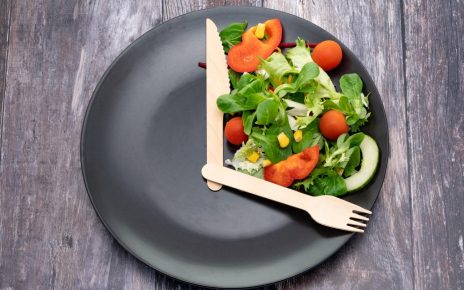
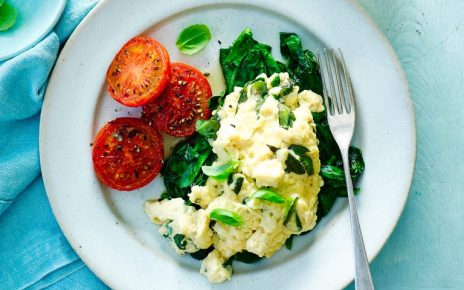
- Start with Fiber: Make half your plate colorful vegetables and some fruit. That’s your prebiotic base.
- Add a Ferment: A spoonful of sauerkraut, a side of kimchi, or a small glass of kefir.
- Include Quality Fat: A drizzle of olive oil, some avocado, or a handful of nuts.
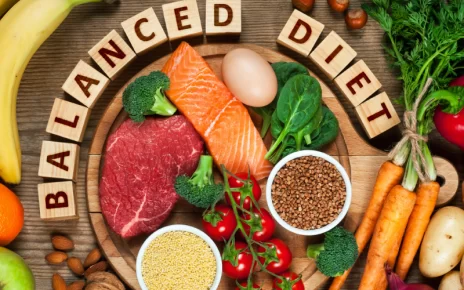
- Choose Clean Protein: Legumes, fish, or lean meats to support overall repair.
And remember—diversity is key. Eating 30+ different plant foods a week (herbs, spices, nuts, grains, veggies count!) is a fantastic goal for microbial diversity. It sounds like a lot, but a “rainbow” salad with ten ingredients gets you a third of the way there.
The Ripple Effects: What to Expect
When you begin these targeted dietary interventions, the changes are often subtle before they’re profound. You might notice improved digestion first—less bloating, more regularity. Then, perhaps, a slight lifting of the mental fog. Better sleep. A more stable mood amidst daily stressors.
It’s not a quick fix for clinical conditions, of course, and you should always consult a healthcare professional for specific issues. But as a foundational health practice, feeding your gut-brain axis is arguably one of the most powerful things you can do. You’re not just eating for energy or physique; you’re directly shaping the internal environment that talks to your brain every single second.
In the end, this ancient connection reminds us that we are integrated systems. The path to a clearer, calmer mind might just begin not with a thought, but with a meal.